
- Refuel and recover: Post-workout smoothies provide protein, carbs, healthy fats, and hydration to repair muscles, replenish energy, and reduce inflammation.
- Balance nutrients: A healthy smoothie should include protein (whey, plant-based, yogurt, or nut butter), carbohydrates (fruits, oats, or starchy vegetables), healthy fats (avocado, seeds, nut butters), and micronutrients (leafy greens, berries, coconut water).
- Protein matters: Aim for 10–15 grams for light workouts, 15–25 grams for moderate sessions, and 25–40 grams for intense or strength training to support muscle repair.
- Weight-loss friendly: Use low-calorie liquids, fiber-rich fruits and vegetables, avoid added sugars, and control portion sizes to make smoothies support fat loss.
- Recipe variety: High-protein smoothies for muscle, energy-focused smoothies for endurance, and low-calorie or meal-replacement smoothies can all be customized to meet fitness goals.
- Dietary flexibility: Smoothies can be adapted for vegan, gluten-free, low-carb/keto, or allergy-friendly diets using suitable protein powders, liquids, and ingredients.
- Storage and timing: Drink fresh when possible, refrigerate up to 24 hours, freeze for longer storage, and ideally consume within 30–60 minutes post-workout for optimal nutrient absorption.
After a solid workout, your body craves fuel. The right nutrients help repair muscles, replenish energy, and keep you on track toward your fitness goals. One of the easiest and most delicious ways to get those nutrients is a post-workout smoothie. Whether you want to build muscle, lose fat, or just stay energized, this guide covers everything you need to know.
Why Should You Drink a Smoothie After Working Out?
When you exercise, your muscles break down, and your energy stores deplete. A post-workout smoothie can:
- Provide quick-digesting carbohydrates to restore glycogen levels
- Supply protein to repair and grow muscle fibers
- Offer vitamins, minerals, and antioxidants to reduce inflammation
- Keep you hydrated, especially if it contains fruits or vegetables with high water content
Skipping a proper post-workout snack can leave you feeling fatigued, sore, or even hinder your progress over time.
What Makes a Smoothie “Healthy” for Post-Workout Recovery?
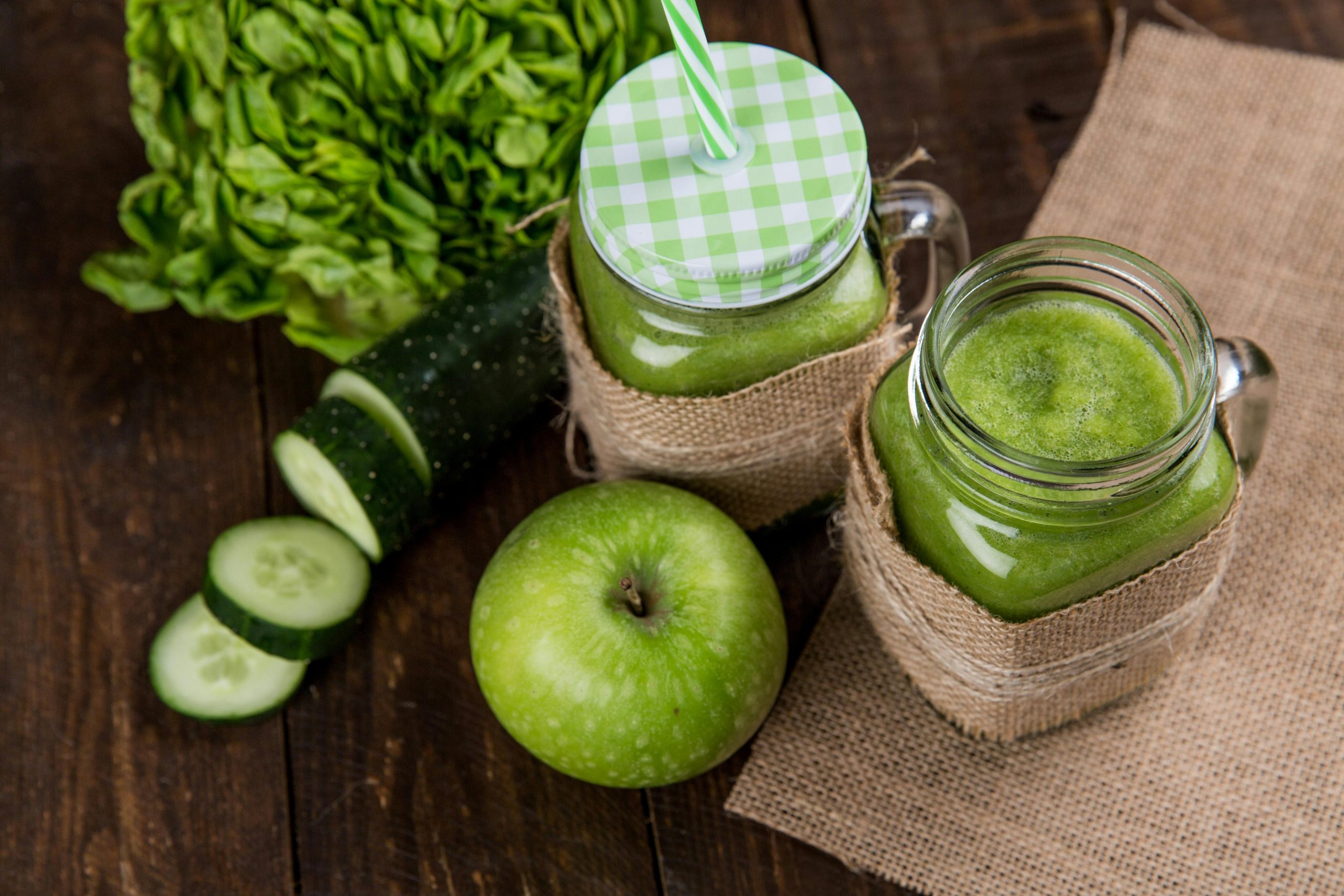
Not all smoothies are created equal. A truly healthy post-workout smoothie isn’t just about taste—it’s about providing the right balance of nutrients your body needs to recover, repair, and refuel. Here’s what to include and why:
Protein – The Muscle Builder
Protein is essential after exercise because it helps repair and rebuild the micro-tears in muscle fibers caused by resistance training or intense workouts. Without adequate protein, your muscles may take longer to recover, leaving you sore and fatigued. Ideal protein sources for smoothies include:
- Whey protein powder: Quickly absorbed and packed with essential amino acids
- Plant-based protein powders: Pea, rice, or hemp protein for those avoiding dairy
- Greek yogurt: Adds creamy texture along with probiotics for gut health
- Nut butters: Almond or peanut butter offer both protein and healthy fats
Carbohydrates – Energy Restoration
During exercise, your body uses glycogen (stored carbohydrates) as its primary energy source. Replenishing these stores post-workout helps prevent fatigue and prepares you for your next session. Include:
- Fruits: Bananas, berries, mango, and pineapple provide natural sugars for quick energy
- Oats: Slow-digesting carbs that keep you fuller longer
- Vegetables: Starchy veggies like sweet potato or pumpkin offer complex carbs and extra vitamins
Healthy Fats – Anti-Inflammatory Fuel
Fats are essential for hormone regulation, energy, and reducing inflammation from intense exercise. Including moderate amounts in your smoothie can aid recovery:
- Avocado: Creamy texture plus heart-healthy monounsaturated fats
- Chia seeds & flax seeds: Omega-3 fatty acids to combat inflammation
- Nut butters: Adds flavor, richness, and satiety
Hydration & Nutrients – Beyond Macronutrients
Water alone isn’t always enough. Post-workout smoothies can help restore fluids, electrolytes, and antioxidants that reduce muscle soreness:
- Coconut water: Natural electrolytes for rehydration
- Leafy greens: Spinach, kale, or romaine for vitamins, minerals, and antioxidants
- Berries: Blueberries, raspberries, and strawberries for antioxidants that support recovery and reduce oxidative stress
Avoid Added Sugars and Empty Calories
It’s tempting to load smoothies with fruit juice, flavored syrups, or candy. While these may taste sweet, they can spike blood sugar without offering lasting nutritional benefits. Over time, this may hinder your recovery, energy levels, and even your fitness goals. Stick to whole fruits and natural flavor enhancers for the healthiest option.
How Much Protein Do You Need in a Post-Workout Smoothie?
Protein is critical for muscle repair, but how much do you actually need?
- Light workouts: 10–15 grams of protein is often enough
- Moderate workouts: 15–25 grams
- Intense workouts or strength training: 25–40 grams
A standard scoop of protein powder usually contains 20–25 grams, making it easy to hit your target in one smoothie.
Can Post-Workout Smoothies Help With Weight Loss?
Absolutely. Post-workout smoothies can be both nutrient-dense and calorie-controlled, making them a smart choice for anyone looking to lose weight without sacrificing essential nutrients. The key is to balance protein, fiber, and healthy fats while avoiding empty calories. Here’s how to make your smoothies work for weight loss:
Use Low-Calorie Liquids
The base of your smoothie can add a surprising number of calories, so choose wisely:
- Almond milk: Low in calories and mild in flavor, perfect for creamy smoothies
- Coconut water: Hydrating and naturally sweet with minimal calories
- Plain yogurt: Provides protein and probiotics without the added sugar of flavored yogurts
Add Fiber-Rich Fruits and Vegetables
Fiber helps keep you full longer, stabilizes blood sugar, and supports digestion. Including fruits and vegetables in your smoothie boosts volume and satiety without piling on calories:
- Fruits: Berries, apple, pear, or kiwi for sweetness and antioxidants
- Vegetables: Spinach, kale, cucumber, zucchini, or celery add nutrients and fiber while remaining low in calories
Avoid Added Sugars and Sweetened Protein Powders
Even healthy smoothies can become calorie traps if you load them with sweeteners or sugar-heavy ingredients. Skip:
- Fruit juices with added sugar
- Honey, syrups, or agave unless used sparingly
- Protein powders with high sugar content
Control Portion Size
It’s easy to overdo even healthy ingredients. A standard serving size is typically 12–16 ounces (about 350–450 ml). Pay attention to ingredient quantities—too much peanut butter, banana, or oats can quickly turn a low-calorie smoothie into a high-calorie one.
High-Protein Smoothie Recipes to Build Muscle
If your goal is to build lean muscle, you need protein-rich smoothies that also provide carbs for energy. Here are some ideas:
1. Chocolate Banana Protein Smoothie
- 1 scoop chocolate whey protein
- 1 banana
- 1 cup almond milk
- 1 tbsp peanut butter
- Optional: 1 tsp cocoa powder
2. Berry Oat Muscle Booster
- 1/2 cup oats (cooked or soaked)
- 1 scoop vanilla protein powder
- 1 cup mixed berries
- 1 cup skim milk or plant-based milk
- 1 tsp chia seeds
3. Green Protein Power Smoothie
- 1 scoop unflavored or vanilla protein powder
- 1 cup spinach
- 1/2 avocado
- 1 apple
- 1 cup water or coconut water
4. Tropical Protein Recovery Smoothie
- 1 scoop vanilla or unflavored protein powder
- 1/2 cup pineapple chunks
- 1/2 cup mango chunks
- 1 cup coconut water
- 1 tbsp flax seeds
5. Peanut Butter & Jelly Protein Smoothie
- 1 scoop vanilla protein powder
- 1 tbsp natural peanut butter
- 1/2 cup frozen strawberries or raspberries
- 1 cup unsweetened almond milk
- Optional: 1/2 tsp cinnamon for extra flavor
What About Smoothies for Energy and Endurance?
If you focus on endurance or long cardio sessions, your smoothie should emphasize quick-digesting carbs to refuel glycogen stores.
6. Endurance Recovery Smoothie Recipe
- 1 cup orange juice
- 1 banana
- 1/2 cup pineapple chunks
- 1/2 cup Greek yogurt
- Optional: 1 tsp honey for extra energy
The natural sugars from fruit and juice replenish energy fast, while yogurt provides protein for muscle repair.
Can You Make a Low-Calorie Post-Workout Smoothie?
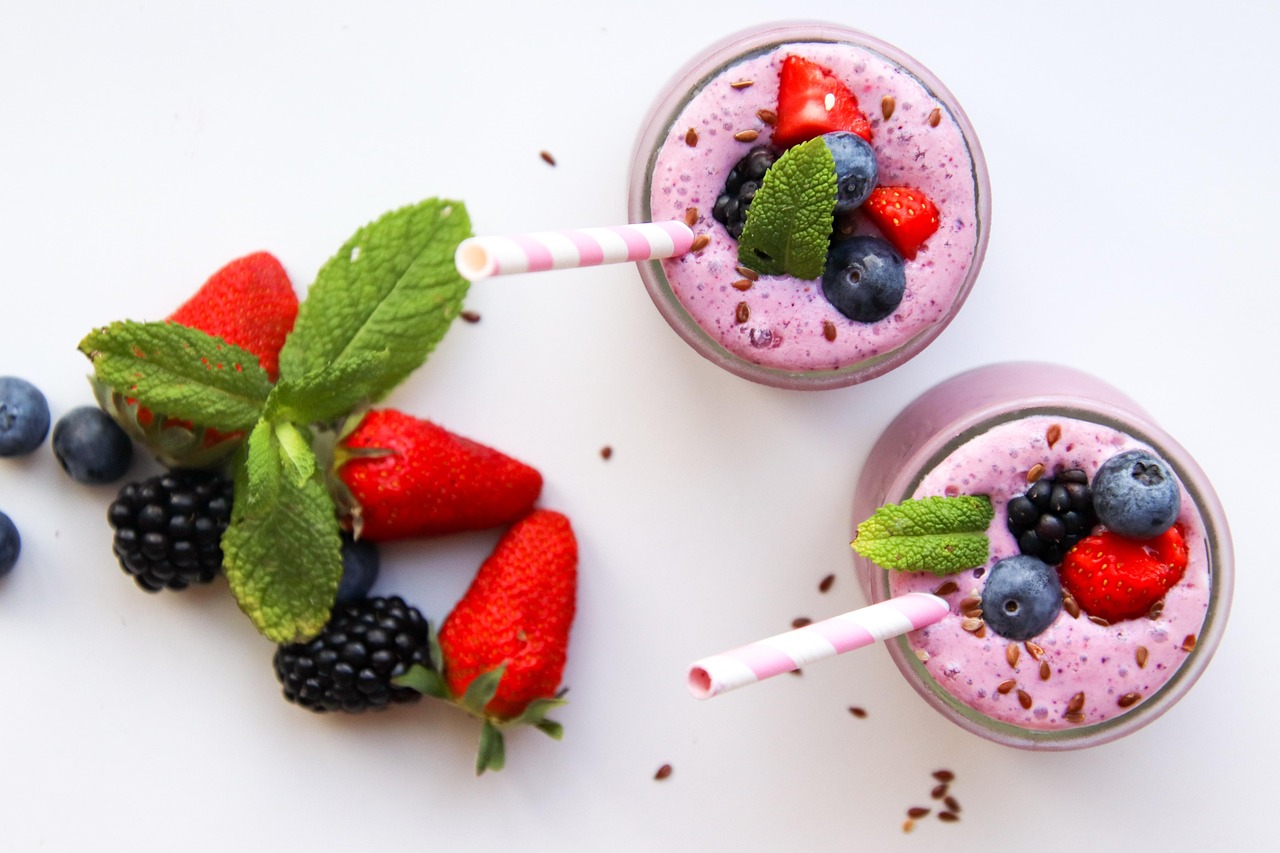
Yes! Low-calorie smoothies are perfect for fat loss without compromising nutrition. Focus on water-based liquids and high-fiber produce.
7. Low-Calorie Fat Burner Smoothie
- 1 cup water or unsweetened almond milk
- 1 cup frozen berries
- 1 handful spinach or kale
- 1/2 cucumber
- 1 tbsp flax seeds or chia seeds
This smoothie is hydrating, nutrient-packed, and keeps you satisfied without overloading on calories.
How to Make Smoothies Taste Better Without Sugar
Sometimes healthy smoothies can taste bland. Here’s how to naturally boost flavor:
- Use ripe fruits for natural sweetness
- Add a splash of vanilla extract or cinnamon
- Blend in a small amount of natural sweetener like dates
- Use flavored protein powders (chocolate, vanilla, berry)
Avoid processed syrups, candy, or excessive fruit juice, which can spike sugar levels.
Can Smoothies Replace Meals?
Occasionally, yes, especially if your smoothie is balanced. A meal-replacement smoothie should have:
- Protein: 20–30 grams
- Carbohydrates: 30–50 grams
- Healthy fats: 5–10 grams
- Fiber: 5–10 grams
Adding oats, nut butter, avocado, or Greek yogurt can make your smoothie more filling and nutrient-dense.
Should You Drink Your Smoothie Immediately After Working Out?
Timing can help, but it’s not critical for everyone.
- Optimal window: 30–60 minutes post-workout for best recovery
- Muscle repair: Protein intake in this window aids faster recovery
- Flexibility: If you can’t drink a smoothie immediately, eat a protein-rich meal within 2 hours
A post-workout smoothie is convenient because it’s fast to make and easy to digest, ensuring nutrients get to your muscles quickly.
Can Vegetables Go in Your Post-Workout Smoothie?
Absolutely. Vegetables like spinach, kale, cucumber, and zucchini blend well with fruits and add:
- Vitamins and minerals
- Fiber for digestion
- Antioxidants for recovery
You won’t taste much if paired with sweet fruits like berries, banana, or mango.
Tips to Make Your Smoothie More Digestible
- Use ripe fruits for easier digestion
- Blend thoroughly to break down fiber
- Add a liquid base to help absorption
- Avoid too much fat at once; fats slow digestion and may delay nutrient uptake
These tips make sure your smoothie fuels your body efficiently after exercise.
Can Post-Workout Smoothies Be Customized for Dietary Preferences?
Yes! One of the best things about smoothies is how adaptable they are. No matter your dietary preferences or restrictions, you can tweak the ingredients to meet your needs without compromising nutrition. Here’s how:
Vegan:
- Use plant-based protein powders such as pea, hemp, or rice protein to replace whey.
- Choose non-dairy liquids like almond milk, oat milk, or coconut milk.
- Incorporate nut butters, seeds, or tofu for additional protein and healthy fats.
- Example: A smoothie with pea protein, almond milk, frozen berries, and a tablespoon of almond butter makes a creamy, fully vegan recovery drink.
Gluten-Free:
- Avoid oats unless they’re certified gluten-free. Many oats are processed in facilities with wheat contamination.
- Fruits, vegetables, dairy, and most protein powders are naturally gluten-free.
- Example: Blend gluten-free oats, banana, spinach, and vanilla protein powder with coconut water for a safe post-workout option.
Low-Carb / Keto-Friendly:
- Focus on protein and healthy fats, while using low-carb vegetables instead of fruit-heavy options.
- Include avocado, coconut milk, nut butters, and leafy greens.
- Limit fruits to berries, which are lower in carbs.
- Example: A smoothie with spinach, avocado, protein powder, unsweetened almond milk, and a handful of raspberries fits a low-carb post-workout plan.
Allergies or Sensitivities:
- Milk, nuts, soy, and other common allergens can be substituted with safe alternatives.
- For example, swap cow’s milk for rice or oat milk, almond butter for sunflower seed butter, and soy protein for pea protein.
- Always check labels to ensure your protein powder and other ingredients are free from allergens.
Smoothies are versatile enough to meet nearly any nutrition plan, making them an easy way to recover, refuel, and stay on track with your goals—no matter your dietary restrictions.
How to Store Smoothies for Later
While smoothies are best consumed fresh for maximum nutrient absorption, sometimes you need to prepare ahead. Proper storage can help retain most of the nutrients and flavor:
Refrigerate:
- Store your smoothie in a sealed container for up to 24 hours.
- Shake or stir well before drinking, as ingredients may separate.
Freeze:
- Smoothies can be frozen for up to 1 month.
- Use airtight freezer-safe jars or bags to prevent freezer burn.
- To enjoy, thaw in the fridge overnight or blend with a little water or milk to restore a smooth consistency.
Avoid heat and sunlight:
- Keep smoothies away from direct sunlight or warm areas to prevent spoilage and nutrient loss.
Tip:
- Some nutrient loss is inevitable over time, especially for vitamins like vitamin C or folate. For maximum health benefits, aim to drink your smoothie as soon as possible after preparation.
Proper storage ensures your smoothie stays safe, tasty, and convenient—even if you can’t drink it immediately after your workout.
What Are Some Common Mistakes to Avoid?
Even healthy smoothies can backfire if not made carefully:
- Adding too much fruit juice (high sugar)
- Overloading with fats (too many nuts or avocado)
- Using flavored protein powders with hidden sugars
- Drinking too large portions, causing excess calories
- Ignoring hydration; liquids are critical
Keeping portions and ingredients balanced ensures your smoothie supports your fitness goals.
How to Experiment With Flavors Without Sacrificing Health
Try creative combos for taste and nutrition:
- Mango + spinach + protein powder
- Blueberry + banana + almond butter + chia
- Pineapple + kale + coconut water + flaxseed
- Strawberry + cucumber + Greek yogurt + cinnamon
The possibilities are endless and experimenting keeps your routine exciting.
Can Kids or Non-Athletes Benefit From Post-Workout Smoothies?
Yes! While the context may differ, nutrient-rich smoothies are excellent for:
- Kids after sports practice
- Busy adults needing a quick nutrient boost
- Anyone looking for a convenient, healthy snack
Adjust protein and portion sizes to fit age and activity level.
The Bottom Line: Healthy Post-Workout Smoothies Are Your Recovery Secret
Post-workout smoothies are more than a trend—they are a practical, tasty, and effective way to nourish your body. By focusing on protein, carbohydrates, healthy fats, and hydration, you can tailor smoothies to any fitness goal.
Experiment with flavors, keep portions balanced, and make your smoothies a consistent part of your recovery routine. Your muscles—and your taste buds—will thank you.