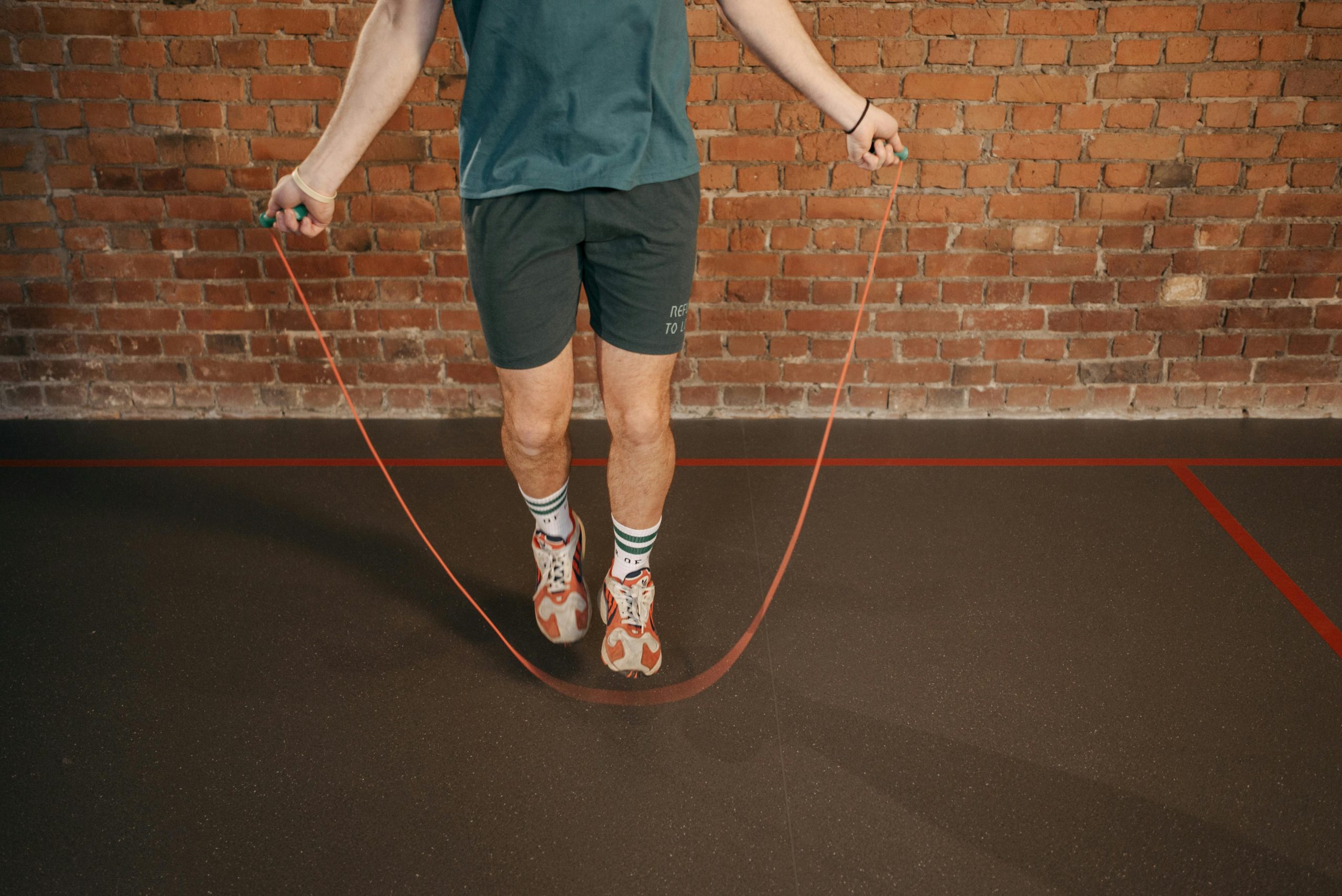

- Active recovery is key: Light movement on rest days improves circulation, reduces soreness, and supports flexibility without overloading muscles.
- Jump rope can be low-impact: By slowing down, using short intervals, and jumping on soft surfaces, jump rope becomes a gentle cardio option for recovery days.
- Multiple benefits beyond cardio: Low-intensity jump rope improves coordination, enhances joint mobility, boosts mental focus, and helps maintain consistency in your routine.
- Short sessions are effective: 5–20 minutes of low-intensity jump rope, adjusted to your fitness level, is enough to reap recovery benefits without causing fatigue.
- Alternatives exist: Walking, cycling, swimming, and elliptical workouts provide similar low-impact cardio options for active recovery.
- Safety matters: Proper technique, mindful pacing, and listening to your body prevent injuries and maximize the benefits of rest-day cardio.
Taking a rest day doesn’t always mean completely sitting on the couch. In fact, a bit of light movement is essential to maintain consistency and improve recovery. But is jump rope good cardio on rest days? Let’s break it down and explore low-impact alternatives that keep your body moving without overloading your muscles.
Why Active Recovery Matters
Rest days are vital for recovery, but being completely sedentary can sometimes slow progress. Active recovery is about gentle movement that:
- Increases blood flow to muscles
- Helps remove lactic acid and other metabolic waste
- Reduces post-workout soreness
- Supports mobility and flexibility
Low-impact cardio on rest days strikes the perfect balance between movement and recovery. This is where jump rope and other gentle exercises come into play.
Is Jump Rope Good Cardio for Recovery?

Jump rope is traditionally considered a high-intensity cardiovascular exercise, but it can be adapted for lighter use on rest days. When performed at a slower pace or in short intervals, it:
- Promotes heart health without pushing your limits
- Enhances coordination and agility
- Burns calories in a controlled manner
- Keeps your body in motion without stressing tired muscles
The key is to modify intensity to match the purpose of the day—recovery rather than maximum exertion.
How to Make Jump Rope Low-Impact
Jumping rope doesn’t have to be high-impact. Here are several ways to make it easier on joints during rest days:
- Slow and steady jumps: Focus on light, low jumps rather than speed or height.
- Alternate foot steps: Mimic jogging in place with the rope to reduce strain.
- Use a soft surface: Jump on a mat or wooden floor to absorb impact.
- Short intervals: 30–60 seconds of jumping followed by 30–60 seconds of rest.
- Keep shoulders relaxed: Avoid tensing your upper body, which can cause fatigue.
Even with these adjustments, jump rope remains effective cardio without compromising recovery.
Benefits of Jump Rope on Rest Days
Jump rope offers more than just calorie burn. Its unique benefits on active recovery days include:
- Improved circulation: Light cardio increases blood flow to muscles.
- Enhanced joint mobility: Gentle jumping encourages flexibility in ankles, knees, and hips.
- Mental focus: Coordination exercises like jump rope can help reduce stress.
- Consistency: Even a short jump rope session maintains your daily activity habit.
How Long Should You Jump Rope on a Rest Day?
The duration matters when using jump rope as low-impact cardio. On rest days, aim for:
- 5–10 minutes if you’re new to jump rope or want a gentle session
- 10–20 minutes if you’re experienced but still want a recovery pace
- Intervals: Combine 1–2 minutes of jumping with 1–2 minutes of rest
Listen to your body—if you feel joint discomfort or unusual fatigue, scale back.
Alternatives to Jump Rope for Low-Impact Cardio
If jump rope feels too intense, several other options provide similar benefits:
- Brisk walking: Simple, effective, and easy on the joints.
- Cycling: Low-impact and can be done indoors or outdoors.
- Swimming: Full-body workout without stress on your joints.
- Elliptical machine: Mimics running while reducing impact.
- Step aerobics with small steps: Gentle on knees but keeps your heart rate elevated.
Each option can be modified in intensity to suit rest-day recovery.
Common Mistakes When Using Jump Rope on Rest Days
Even low-intensity jump rope sessions can go wrong if you’re not careful. Avoid these common pitfalls:
- Jumping too fast: High speed defeats the purpose of a recovery day.
- Overtraining: Doing too many intervals can strain muscles and joints.
- Poor form: Keep elbows close to your body and land softly to prevent injury.
- Ignoring signs of fatigue: Rest is the main goal—don’t push past discomfort.
Tips for a Safe Rest-Day Jump Rope Routine
Here’s how to get the most from your rest-day cardio session:
- Warm up with 3–5 minutes of dynamic stretches or marching in place
- Focus on light, consistent jumps rather than fast repetitions
- Keep sessions short, between 5–15 minutes depending on your fitness level
- Pair your jump rope session with stretching or foam rolling
- Stay hydrated, especially if you are doing multiple short sessions
Combining Jump Rope With Other Recovery Activities

Jump rope doesn’t have to be your only low-impact cardio. Consider combining it with:
- Yoga: Improves flexibility and enhances recovery
- Mobility drills: Focus on ankle, knee, and hip mobility
- Walking: Alternate light jumps with brisk walking for variety
- Foam rolling: Use after jumping to relieve tight muscles
This mix supports active recovery while preventing monotony.
How Jump Rope Impacts Heart Rate on Recovery Days
Even at a slower pace, jump rope slightly elevates your heart rate. This mild cardiovascular stress:
- Encourages circulation
- Supports oxygen delivery to muscles
- Improves heart and lung efficiency over time
The goal is to stay in a comfortable zone—not to reach maximum exertion. A general guideline is to maintain 50–65% of your maximum heart rate for rest-day sessions.
Can Jump Rope Cause Overuse Injuries?
Like any exercise, improper jump rope technique or overdoing it can lead to:
- Shin splints
- Ankle or knee pain
- Foot discomfort
These risks are reduced when using low-impact techniques, soft surfaces, and short sessions. Always pay attention to your body’s signals.
How Often Should You Do Jump Rope on Rest Days?
Frequency matters. For active recovery, consider:
- 1–3 times per week depending on intensity and personal recovery needs
- On non-jump rope days, include other gentle activities like walking or stretching
- Keep sessions short and light to avoid interfering with your main workouts
FAQs About Jump Rope on Rest Days
Q: Can I still gain cardiovascular benefits on rest days with jump rope?
A: Absolutely. Even low-intensity jumping increases blood flow, improves lung capacity, and maintains heart health.
Q: Should I skip jump rope if my legs are sore?
A: If soreness is mild, light jump rope can improve circulation. Avoid it if you have pain that affects movement.
Q: How do I reduce impact on my joints?
A: Use cushioned surfaces, land softly, and keep jumps low. Focus on form rather than speed.
Q: Is it better than walking or cycling on rest days?
A: It depends on your body and preference. Jump rope is effective, but walking, cycling, or swimming may feel gentler on your joints.
The Bottom Line
So, is jump rope good cardio on rest days? The answer is yes—if you approach it mindfully. By keeping intensity low, using proper technique, and listening to your body, jump rope can be an excellent way to maintain movement and support recovery.
Pairing jump rope with other low-impact exercises like walking, swimming, or yoga creates a well-rounded active recovery routine that keeps your body energized, reduces soreness, and prepares you for your next high-intensity workout.
Remember, rest days are about recovery first. Jump rope doesn’t have to be intense to be effective. A few minutes of light cardio can make a big difference in staying consistent and healthy in the long term.